How this page was prepared: Educational health guide, not a diagnosis or refeeding plan. “Survival mode” is an informal phrase, not a single medical condition. YUONEWS has not assessed the reader’s intake, symptoms, medications, or eating-disorder risk.
Published: 2026-07-23. Last source check: July 26, 2026. Publisher: YUONEWS. Professional review: Not performed.
Restore Regular, Adequate Nourishment
To get out of dieting-related “survival mode,” restore adequate meals and snacks on a regular schedule rather than restricting food further.
The technical term for this response is adaptive thermogenesis. After prolonged calorie restriction, the body reduces energy expenditure and holds more tightly to its reserves, which can contribute to a weight-loss plateau [1]. Skipping one or two meals does not cause adaptive thermogenesis; it is associated with consistently eating too little over time [1].
Eating more may help interrupt this adaptive response, although no weight outcome is guaranteed [1]. A practical starting point is a modest meal or snack every three to four hours, adjusted to individual needs [1].
Distinguish Between Two Types of “Survival Mode”
“Survival mode” can describe two different problems:
- Adaptive thermogenesis is a response to sustained calorie restriction. Possible signs include persistent hunger, feeling cold, fatigue, irritability, constipation and sleep problems [1].
- Stress-related survival mode is an informal description of nervous-system dysregulation under prolonged stress [2][3]. The sympathetic nervous system supports fight-or-flight activity, while the parasympathetic system supports rest and digestion. Chronic stress can disrupt this balance and interfere with digestion and recovery [2][3].
The two patterns can overlap. Stress may lead to forgotten meals, overeating, exhaustion, slowed digestion, poor sleep or difficulty making decisions [2][3]. Elevated cortisol is also associated with blood-sugar dysregulation, visceral fat storage and cravings for sugar and refined carbohydrates [3]. Inadequate eating adds another physical stressor.
Addressing both patterns may require reliable nourishment along with sleep and stress support.
Check for Signs of Persistent Under-Fueling
A weight-loss plateau alone cannot confirm adaptive thermogenesis. Concern is greater when sustained restriction occurs alongside several persistent symptoms:
- Feeling unusually cold
- Constant exhaustion or difficulty completing routine tasks
- Persistent hunger
- Constipation
- Irritability, mood swings or depression
- Trouble falling or staying asleep
- Hair loss
- Missed menstrual periods
These symptoms can have multiple causes, but they are consistent with inadequate nourishment. Calorie restriction may reduce core body temperature, while insufficient protein and fatty acids can contribute to hair loss [1]. Amenorrhea—three consecutive missed menstrual cycles—is a significant health warning, not a routine side effect of dieting [1].
If several symptoms persist, restore a dependable eating rhythm and seek medical or registered-dietitian support rather than cutting food further.
Build a Sustainable Meal and Snack Rhythm
Focus first on making the next meal predictable, not perfect. Plan a modest meal or snack about every three to four hours. This limits long gaps that can lead to reactive overeating or bingeing and may help address a plateau related to under-fueling [1].
A regular day might include breakfast, lunch, dinner and one or more snacks, depending on schedule and hunger. Keep portable snacks available, schedule meal breaks and choose a few simple backup meals for busy days. A sandwich with fruit or oatmeal with nuts is more useful than waiting for an ideal meal that never happens.
Do not replace severe restriction with another rigid calorie target. Increasing food may help reverse adaptive thermogenesis, but the evidence does not establish a universal timeline or guarantee a particular change on the scale [1].
Make Meals and Snacks More Nourishing
Recovery does not depend on a “metabolism-boosting” food. It requires adequate, varied nourishment.
A flexible meal or snack can include:
- A carbohydrate-rich food, such as oatmeal, rice, bread, potatoes or fruit
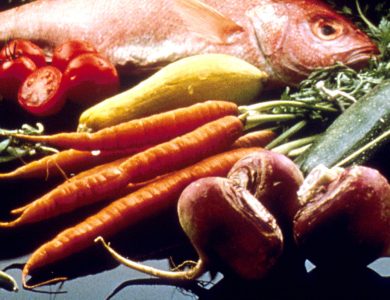
- A protein source, such as eggs, yogurt, fish, poultry, tofu or beans
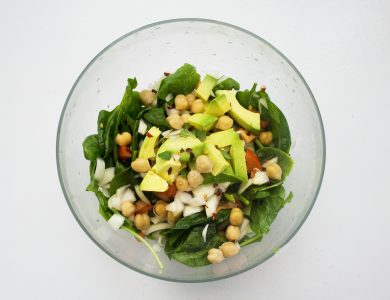
- A dietary fat, such as walnuts, avocado, olive oil or nut butter
- A fruit or vegetable
For example, plan walnuts as a snack or fatty fish at dinner for omega-3 fatty acids, and include leafy greens or fortified oatmeal for minerals such as potassium and magnesium [1]. Shortages involving iron, folate, vitamin D, B vitamins, zinc, iodine and omega-3s may be associated with depression. Inadequate protein and fatty acids may contribute to hair loss [1].
How you eat may also help. Eating slowly without screens can act as a parasympathetic anchor, supporting a shift toward rest and digestion [3].
Support Recovery Beyond Food
Treat movement as support rather than payment for eating. Strength training at least twice per week, using bodyweight exercises or machines, can help maintain muscle mass and metabolism [1]. If exercise causes persistent exhaustion, reduce its intensity or duration rather than using it to offset increased food intake.
Sleep also supports nervous-system regulation. Poor sleep can worsen dysregulation and cortisol patterns, which can further disrupt sleep [3]. Caffeine may temporarily mask fatigue while keeping cortisol elevated [3].
- Before meals: Use a short walk or breathwork as a transition from work or stress into eating [3].
- During stressful moments: Try a physiological sigh—two inhales through the nose followed by a long, slow exhale—or consciously soften the jaw and eyes [3].
- After stress: Take a 10-minute walk, hum or spend time in nature [3].
Know When to Consult a Professional
Consult a physician or registered dietitian if persistent under-eating occurs with ongoing exhaustion, hair loss, depression, significant constipation or other digestive problems, or symptoms that interfere with daily life.
Three consecutive missed menstrual cycles qualify as amenorrhea. Research involving undernourished female athletes has linked low energy availability with fatigue, reduced bone mineral density and missed periods [1].
- A physician can evaluate physical symptoms, consider other possible causes and determine whether medical care is needed.
- A registered dietitian can develop an individualized plan for restoring adequate nourishment without replacing one rigid diet with another.
- A therapist or psychologist can help when chronic stress, depression, fear of weight gain or rigid eating behaviors sustain the restriction cycle.
Support is also appropriate when changing these patterns feels unmanageable. Recovery from stress-related “survival mode” can take time and may require both nutrition and mental-health care [2].
References
- MedicineNet: How Do You Know if Your Body Is in Starvation Mode? 9 Signs
- Psychiatry Centre UK: Survival Mode—What Is It and What to Do About It
- Stanford Lifestyle Medicine: Stuck in Survival Mode—How to Regulate Your Nervous System
Sources and review method
The page was revised by comparing the existing draft with the primary and authoritative sources below. Links were checked on July 26, 2026. The sources support general educational context; they do not establish what is right for a particular reader.
- NIMH: Eating Disorders — What You Need to Know
- PubMed review: Adaptive thermogenesis with weight loss in humans
- NIDDK: Healthy Eating and Physical Activity for Life
- Dietary Guidelines for Americans
Image credit: Image by Cepalorana via Wikimedia Commons, CC0 1.0.
Health disclaimer: This article is general education, not medical diagnosis, treatment, or individualized nutrition advice. Consult a qualified physician, registered dietitian, pharmacist, or other appropriate professional before acting on health information.
See the Editorial Policy, Content Disclaimer, About, and Contact pages.