The most effective energy-efficient home improvements that save money combine immediate utility bill reductions with long-term increases in property value. According to a study by the National Association of Homebuilders, 9 out of 10 homebuyers prefer homes with energy-efficient features [1]. From sealing air leaks and upgrading insulation to installing energy efficient windows and exploring solar panel installation, American homeowners have more options than ever to lower monthly costs while qualifying for federal tax credits and state rebates.
This guide outlines the upgrades with the strongest return on investment, current incentives available to US households, and what professionals recommend prioritizing first.
Why Energy Efficiency Matters for Your Wallet and Home Value
Energy efficiency is one of the few household investments that pays back in two distinct ways: through reduced monthly utility bills and through increased resale value. The US Department of Energy notes that reducing energy waste is among the most cost-effective methods of cutting greenhouse gas emissions and household expenses [9]. For most American families, heating, cooling, and water heating represent the largest share of annual energy spending.
Beyond utility savings, energy-efficient features are increasingly demanded in the housing market. The National Association of Homebuilders reports that nearly 90% of buyers actively prefer homes with energy-efficient features, making upgrades a strategic move for sellers as well as long-term occupants [1]. Homeowners can also recoup 35–71% of the cost of a new HVAC system at resale [1].
Federal and state programs now offset a significant portion of upfront costs. Tax credits, point-of-sale rebates, and utility incentives mean the effective price of major upgrades has dropped considerably for qualifying households [2].
Insulation and Air Sealing: The Highest-ROI Starting Point
Before investing in new appliances or solar, professionals consistently recommend addressing the building envelope. Upgrading insulation and sealing air leaks is the primary way to reduce energy waste in a typical American home [9]. According to industry estimates, properly insulating and air sealing can save an average homeowner up to 10% on heating and cooling bills [3].
Home insulation cost varies widely by region, home size, and material. Blown-in cellulose for an attic, spray foam for rim joists, and weatherstripping around doors and windows are common entry points. Many homeowners spend between $1,500 and $4,500 on whole-home insulation projects, though rebates can substantially offset that figure.
In New York, for example, the NYSERDA Comfort Home program offers at least $2,500 in incentives for qualifying air sealing, insulation, and window upgrades [5]. Federally, the Home Efficiency Rebate provides up to $8,000 off projects that significantly reduce household energy use, making comprehensive envelope retrofits more accessible [2].
Energy Efficient Windows: Quiet Savings That Add Up
Single-pane windows are a major source of heat loss in winter and unwanted heat gain in summer. Replacing them with ENERGY STAR-certified energy efficient windows could lower energy bills by approximately 12% [3]. While windows have a longer payback period than insulation, they deliver simultaneous benefits: lower bills, reduced exterior noise, improved comfort near seating areas, and a more attractive interior.
Costs vary based on frame material, glazing, and installation complexity. Vinyl double-pane windows generally cost less than fiberglass or wood-clad alternatives, while triple-pane options carry a premium but perform better in cold-climate states.
Federal tax credits are available for qualifying ENERGY STAR windows, and many state utilities offer additional rebates. Homeowners pursuing a whole-home retrofit often pair window replacement with insulation and air sealing to maximize both comfort gains and incentive eligibility under combined federal and state programs [2][5].
Heat Pumps and HVAC Upgrades
Heat pumps have emerged as one of the most impactful upgrades available to American homeowners. A high-efficiency heat pump can substantially reduce heating and cooling costs by replacing both a furnace and a central air conditioner with a single, more efficient electric system [3]. They are especially effective in moderate climates but, with cold-climate models, are increasingly viable in northern states.
Heat pump water heaters offer similar advantages. Switching to an ENERGY STAR-certified heat pump water heater could save a household of four about $550 annually compared with a standard electric model [3]. Given that water heating typically ranks among the top three energy expenses, this is a notable line-item reduction.
Incentives are significant. A federal tax credit is available for 30% of the cost of certain heating equipment, with limits up to $600 for non-heat pump qualifying systems, and additional credits and rebates apply specifically to heat pumps [2]. Homeowners can also recoup 35–71% of HVAC investment at resale [1].
Solar Panel Installation: Long-Term Energy Independence
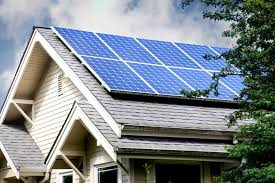
Solar panel installation is one of the largest upfront investments in home energy efficiency, but it offers among the longest-running benefits. A rooftop solar system can offset most or all of a household’s electricity consumption depending on system size, roof orientation, and local sun exposure. When paired with a heat pump and electric appliances, solar can dramatically reduce reliance on fossil fuels and stabilize energy costs against utility rate increases.
The federal Residential Clean Energy Credit currently allows homeowners to claim 30% of the cost of qualifying solar panel installation, including labor, equipment, and battery storage in many cases [2]. Combined with state-level incentives and net metering policies, payback periods in many US markets range from 7 to 12 years.
Before committing, homeowners should obtain multiple quotes, verify installer certifications, and confirm roof condition. Solar panels typically last 25 years or more, so a roof nearing the end of its life should be replaced first to avoid costly future removal and reinstallation.
Energy-Efficient Appliances Worth the Upgrade
Replacing older appliances with ENERGY STAR-certified models reduces electricity consumption without changing daily habits. Key opportunities include:
- Refrigerators: ENERGY STAR refrigerators can reduce energy consumption by 33% compared with non-certified models [3].
- Clothes dryers: ENERGY STAR-certified heat pump clothes dryers can save 20–60% more energy than conventional dryers [2].
- Cooking ranges: An electric stove is about three times more energy efficient than a gas stove, and induction models offer additional gains [2].
The federal Home Electrification and Appliance Rebate offers up to $840 for qualifying heat pump clothes dryers and electric stoves, making the switch more affordable for income-eligible households [2]. Larger Home Efficiency Rebates of up to $8,000 are available for projects that significantly cut household energy use [2]. Homeowners should check current eligibility through their state energy office, as rebate rollouts vary by state.
What Experts Recommend Prioritizing First
Energy professionals broadly agree on a sequenced approach. The first recommendation is almost always a home energy audit, which identifies the largest sources of waste specific to a property. Many utilities offer audits at low or no cost, and findings guide the most efficient allocation of budget.
Following an audit, experts typically recommend addressing the building envelope first — air sealing and insulation — because these measures reduce the heating and cooling load. This means any subsequent HVAC system can be smaller, cheaper, and more efficient [9].
Only after the envelope is tightened do specialists generally recommend HVAC replacement, water heater upgrades, and appliance swaps. Solar panel installation is often the final step, because reducing total household demand first means fewer panels are needed to achieve net-zero electricity use.
Throughout the process, experts emphasize stacking incentives — combining federal tax credits, state rebates, and utility programs — to lower out-of-pocket costs [2][5].
Federal Tax Credits and State Rebates Available Now
As of 2026, the Inflation Reduction Act continues to fund some of the most generous home energy incentives ever offered to American homeowners. Key programs include:
- Energy Efficient Home Improvement Credit: Up to 30% of project costs for qualifying insulation, windows, doors, and heating equipment, with annual limits [2].
- Residential Clean Energy Credit: 30% of solar, battery storage, and geothermal installation costs [2].
- Home Efficiency Rebate: Up to $8,000 for whole-home retrofits that significantly cut energy use [2].
- Home Electrification and Appliance Rebate: Up to $840 for heat pump clothes dryers and electric stoves [2].
State programs add further savings. New York’s Comfort Home initiative provides at least $2,500 toward air sealing, insulation, and window upgrades [5]. Income-based eligibility applies to several rebate categories, and program availability varies by state. Homeowners should consult the US Department of Energy and their state energy office before purchasing to confirm current eligibility, as funding levels and qualifying products can change.
When to Consult a Professional
Energy upgrades range from straightforward DIY tasks, such as installing weatherstripping or LED bulbs, to projects that require licensed contractors, including HVAC replacement, electrical panel upgrades, and solar panel installation. For any project involving combustion equipment, refrigerants, or roof penetrations, professional installation is essential for safety, warranty protection, and tax credit eligibility.
Homeowners should request multiple bids, verify state licensing, and confirm that contractors are familiar with ENERGY STAR specifications and rebate paperwork. Many federal credits and state rebates require documentation that only certified installers can provide.
References
- The 8 Best Energy Efficient Home Upgrades — Sealed
- Home Upgrades — US Department of Energy
- Top 6 Energy Efficient Home Improvements — American Standard
- ENERGY STAR Home Upgrade — ENERGY STAR
- Energy-Saving Home Improvement Ideas — NYSERDA
- Why Energy Efficiency Matters — US Department of Energy
Frequently Asked Questions
- What energy-efficient home improvement saves the most money?
- For most American homes, improving insulation and air sealing delivers the highest return per dollar spent. The US Department of Energy identifies the building envelope as the primary source of energy waste, and proper insulation can save up to 10% on heating and cooling bills [3][9]. Heat pumps and heat pump water heaters offer the next-largest savings, with a heat pump water heater alone saving a family of four roughly $550 per year [3]. The exact best investment depends on your climate, home age, and current insulation levels, which is why a professional energy audit is often the recommended starting point.
- How much does home insulation cost in the US?
- Home insulation cost typically ranges from $1,500 to $4,500 for a whole-home project, depending on home size, insulation type, and accessibility. Attic blown-in insulation is generally the most affordable, while spray foam in walls or rim joists costs more. Federal and state incentives can significantly reduce out-of-pocket expenses. The Home Efficiency Rebate provides up to $8,000 for qualifying whole-home projects [2], and programs like NYSERDA’s Comfort Home offer at least $2,500 in incentives for insulation, air sealing, and windows [5]. Always request multiple contractor quotes and verify rebate eligibility before signing a contract.
- Are energy efficient windows worth the investment?
- Energy efficient windows are worth the investment for homeowners with single-pane or aging double-pane windows, especially in extreme climates. Replacing old windows with ENERGY STAR-certified models could lower energy bills by approximately 12% [3]. While payback periods are longer than insulation upgrades, windows deliver additional benefits including reduced noise, improved comfort near seating areas, and increased home value. Federal tax credits cover up to 30% of qualifying window costs with annual limits [2], and many state utilities offer supplemental rebates. For maximum value, replace windows as part of a broader envelope retrofit alongside insulation and air sealing.
- Does solar panel installation actually save money?
- Yes, solar panel installation typically saves money over its lifetime, though the payback period varies by location, electricity rates, and system size. In most US markets, homeowners recoup their investment in 7 to 12 years, after which the system produces electricity at minimal ongoing cost for another decade or more. The federal Residential Clean Energy Credit currently covers 30% of qualifying solar installation costs, including labor and battery storage [2]. To maximize returns, reduce household energy demand first through insulation, efficient appliances, and a heat pump, so a smaller, less expensive solar system meets your needs.
- What tax credits are available for energy-efficient home upgrades?
- Several federal tax credits are currently available. The Energy Efficient Home Improvement Credit offers 30% of project costs for qualifying insulation, windows, doors, and heating equipment, including up to $600 for certain non-heat pump heating systems [2]. The Residential Clean Energy Credit provides 30% off solar panel installation, battery storage, and geothermal systems [2]. Additional rebates include up to $8,000 through the Home Efficiency Rebate and up to $840 for qualifying heat pump dryers and electric stoves [2]. Eligibility and limits vary, so consult the US Department of Energy or a tax professional before claiming credits.
- Should I replace my furnace with a heat pump?
- Replacing a furnace with a heat pump makes sense for most US homeowners when the existing system is nearing end of life. High-efficiency heat pumps significantly reduce heating and cooling costs by handling both functions with a single electric system [3]. Cold-climate heat pumps now perform well even in northern states, though some homes benefit from a dual-fuel setup that keeps a backup furnace. Federal tax credits and rebates can cover thousands of dollars in installation costs [2]. Homeowners can also recoup 35–71% of HVAC investment at resale [1]. A professional load calculation is essential before purchase.
- How do I find rebates for energy upgrades in my state?
- Start with the US Department of Energy’s official rebate portal at energy.gov, which lists federal programs and links to state energy offices [2]. Each state administers its own version of the Home Efficiency and Electrification rebates, and rollout timelines vary. Your local utility company typically offers additional rebates for insulation, HVAC, water heaters, and appliances. State-specific programs, such as New York’s NYSERDA Comfort Home initiative, offer significant incentives for envelope upgrades [5]. The ENERGY STAR website also provides a rebate finder by ZIP code. Always confirm eligibility before purchasing equipment to ensure qualifying products and licensed installers are used.
- Which energy-efficient appliances offer the best savings?
- ENERGY STAR-certified refrigerators, heat pump clothes dryers, heat pump water heaters, and induction or electric stoves offer the strongest savings. ENERGY STAR refrigerators reduce energy consumption by approximately 33% compared to non-certified models [3]. Heat pump clothes dryers use 20–60% less energy than conventional dryers [2], and electric stoves are roughly three times more efficient than gas models [2]. A heat pump water heater alone can save a family of four about $550 annually [3]. The federal Home Electrification and Appliance Rebate offers up to $840 toward qualifying dryers and stoves, making upgrades especially affordable for income-eligible households [2].