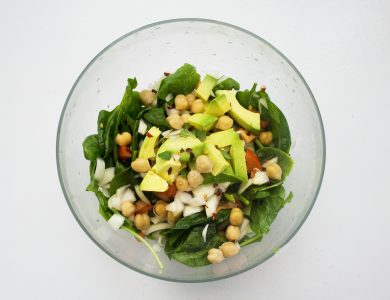
The Dietary Cholesterol Myth: What Science Actually Says

If you’re searching about the dietary cholesterol myth, the direct answer is this: for most healthy people, the cholesterol found in food has little measurable effect on blood cholesterol levels, and saturated and trans fats are the primary dietary drivers of elevated LDL. According to the U.S. Centers for Disease Control and Prevention (CDC), high cholesterol produces no warning signs, which is why testing every 5 years matters more than fearing a single egg [1]. The 2015 U.S. Dietary Guidelines went so far as to remove the longstanding upper limit on dietary cholesterol [2].

Advertisement

What the dietary cholesterol myth actually means

The dietary cholesterol myth refers to the decades-old assumption that eating cholesterol-rich foods directly raises blood cholesterol and, by extension, heart disease risk. Cholesterol itself is not the villain it was made out to be—it is essential for making hormones and building cells, according to the CDC [1]. The problem arises when low-density lipoprotein (LDL, the “bad” cholesterol) accumulates as plaque inside blood vessels, narrowing them and raising the risk of heart attack or stroke [1]. High-density lipoprotein (HDL) does the opposite, ferrying cholesterol back to the liver to be cleared from the body [1]. The critical distinction the myth ignores: dietary cholesterol (in food) and blood cholesterol behave differently in the body [3]. Epidemiological studies and meta-analyses dating to the late 1990s found a lack of correlation between the two [2]. The American Heart Association now states that for the general population, dietary cholesterol is no longer treated as a nutrient of concern in isolation [3]. That reframing—reflected in the 2015 federal guidelines [2]—is why nutrition guidance has shifted away from counting milligrams of cholesterol and toward limiting saturated fat instead.

How dietary cholesterol differs from blood cholesterol

Your liver manufactures most of the cholesterol circulating in your blood, which is why dietary intake plays a smaller role than the myth suggests. According to research summarized in a National Institutes of Health (NIH) review, when you consume more cholesterol from food, the body compensates by producing less internally, keeping blood levels relatively stable for roughly 75% of people—often called “hyporesponders” [2][7]. A smaller subset, sometimes labeled “hyperresponders,” show a more pronounced rise, though even then the increase frequently affects both LDL and HDL proportionally [4]. The 2015 U.S. Dietary Guidelines eliminated the prior 300-milligram daily ceiling on dietary cholesterol precisely because the evidence linking it to cardiovascular disease was weak [2]. Harvard Health notes that diet’s influence on heart disease centers more on overall fat quality than on cholesterol content alone [6]. This is a meaningful shift: federal nutrition policy previously instructed Americans to cap cholesterol intake, and that number-counting approach has been retired in favor of pattern-based eating advice. Understanding this distinction prevents people from avoiding nutritious foods—such as eggs—based on outdated assumptions [3].

Advertisement

What actually raises your LDL cholesterol

If dietary cholesterol is not the main concern, what is? The answer is saturated and trans fats, which the Cleveland Clinic identifies as the primary dietary culprits for elevated LDL cholesterol [10]. Here is the complication the myth overlooks: foods high in dietary cholesterol—such as fatty red meat, full-fat dairy, and processed meats—are frequently also high in saturated fat [1][3][10]. So when older studies appeared to link cholesterol-rich foods to heart disease, the saturated fat traveling alongside the cholesterol was likely doing the damage. The American Heart Association recommends limiting saturated fat to less than 6% of daily calories for those needing to lower LDL [3]. Trans fats, found in some fried and packaged foods, are worse still—the U.S. Food and Drug Administration (FDA) banned artificial trans fats (partially hydrogenated oils) from the food supply, a federal action finalized to remove them as a recognized-safe ingredient. By contrast, unsaturated fats from sources like olive oil, nuts, and fatty fish are associated with improved cholesterol profiles [10]. The takeaway: read nutrition labels for saturated and trans fat content, not just cholesterol milligrams, when shopping.

Why eggs and shellfish are the famous exceptions

Eggs and shellfish are the classic casualties of the dietary cholesterol myth—both are high in dietary cholesterol yet relatively healthy when prepared without frying, according to the American Heart Association [3]. A single large egg contains roughly 186 milligrams of cholesterol, nearly the entire 300-milligram limit that the 2015 U.S. Dietary Guidelines abolished [2][3]. For decades that number scared people away from a low-cost, protein-dense food. Yet eggs are low in saturated fat, and shellfish like shrimp—despite their cholesterol content—carry minimal saturated fat as well [3]. Healthline’s review of the evidence concludes that dietary cholesterol “does not matter” for roughly 70% of the population whose bodies self-regulate cholesterol production [4]. The caveat: preparation method matters enormously. Frying eggs in butter or pairing shrimp with cream-based sauces reintroduces the saturated fat that genuinely raises LDL [3]. Boiled, poached, or steamed preparations preserve the nutritional upside. People with diabetes or existing cardiovascular disease should consult their clinician, since some studies suggest egg intake warrants more caution in those groups. For the general healthy population, an egg at breakfast is no longer the dietary risk it was once framed to be.

How to choose between cholesterol-raising and heart-healthy foods

Making smarter food choices means focusing on fat quality, not cholesterol counts. Build meals around fiber-rich foods and unsaturated fats, which the CDC lists among its core recommendations for managing cholesterol [1]. Practical swaps backed by the Cleveland Clinic include replacing butter (high saturated fat) with olive oil, choosing skinless poultry or fish over fatty red meat, and selecting whole grains over refined ones [10]. The American Heart Association’s threshold—saturated fat under 6% of daily calories for LDL reduction—translates to roughly 13 grams per day on a 2,000-calorie diet [3]. Use the FDA-mandated Nutrition Facts label, which lists saturated and trans fat in grams, as your primary screening tool rather than the cholesterol line. Soluble fiber from oats, beans, and apples actively helps lower LDL. When grocery budgets are tight, note that some of the most heart-protective foods—dried beans, oats, and canned fish—are also among the lowest-cost protein sources, often $1–$3 per serving versus $4–$8 for processed convenience meats. The goal is a sustainable eating pattern, not the elimination of any single cholesterol-containing food the myth taught you to fear.

Advertisement

What experts recommend for managing cholesterol

Health authorities converge on a consistent, evidence-based playbook. The CDC recommends that adults get their cholesterol tested at least every 5 years, since high cholesterol produces no symptoms and can only be detected through a blood lipid panel [1]. Experts at the CDC and American Heart Association advise limiting saturated fat, choosing fiber-rich foods and unsaturated fats, and avoiding tobacco entirely [1][3]. Physical activity is central: federal guidance calls for 150–300 minutes of moderate-intensity aerobic activity per week [1]. For people whose cholesterol remains elevated despite lifestyle changes, clinicians may prescribe statins or other lipid-lowering medications, according to the CDC [1]. Harvard Health emphasizes that overall dietary pattern—not obsessive avoidance of individual cholesterol-containing foods—drives cardiovascular outcomes [6]. The professional consensus, as of 2026, is that the dietary cholesterol myth has been thoroughly revised: the focus belongs on saturated and trans fat reduction, weight management, and regular screening. A standard lipid panel typically costs $50–$100 without insurance, and under the Affordable Care Act many preventive screenings are covered with no out-of-pocket cost when delivered by an in-network provider, making testing accessible for most insured Americans.

Red flags and myths to avoid when reading cholesterol advice

Be skeptical of any source that tells you to eliminate all cholesterol-containing foods or that markets a single “miracle” supplement to clear arteries—neither aligns with CDC or American Heart Association guidance [1][3]. The Federal Trade Commission (FTC) actively pursues companies making unsubstantiated cardiovascular health claims, and you can report deceptive supplement marketing to the FTC consumer complaint database at ReportFraud.ftc.gov. A second red flag: advice that fixates on dietary cholesterol milligrams while ignoring saturated and trans fat, the actual LDL drivers identified by the Cleveland Clinic [10]. UnitedHealthcare’s myth-busting guidance also flags the false belief that thin or young people cannot have high cholesterol—genetics, including familial hypercholesterolemia, affect roughly 1 in 250 people regardless of body weight [5]. Watch for content that conflates HDL and LDL or claims you can “feel” high cholesterol; the CDC is explicit that there are no warning signs [1]. Finally, treat any product promising results “without diet or exercise” as a warning sign. Before changing your regimen or stopping a prescribed statin, consult a licensed physician—abruptly discontinuing medication can raise cardiovascular risk. Reliable information comes from the CDC, NIH, American Heart Association, and your own lipid panel results, not from advertising.

When to get tested and consult a professional

Testing is the only way to know your numbers, because high cholesterol is asymptomatic according to the CDC [1]. Adults should be screened at least every 5 years, and more frequently if they have risk factors such as diabetes, a family history of heart disease, high blood pressure, or are over 40 [1]. A lipid panel measures total cholesterol, LDL, HDL, and triglycerides; the test costs $50–$100 out of pocket, though Affordable Care Act preventive-care provisions cover it at no cost for many insured patients through in-network providers. Consult a physician promptly if your LDL is elevated, if you have a family history suggesting familial hypercholesterolemia—affecting about 1 in 250 Americans per UnitedHealthcare data [5]—or if lifestyle changes over 3–6 months have not improved your numbers. Pharmacists can also answer medication questions, and the Better Business Bureau can help vet telehealth or supplement providers before you pay. For people already diagnosed, the CDC notes that statins or other prescribed medicines may be necessary alongside diet and exercise [1]. The bottom line as of 2026: the dietary cholesterol myth should not stop you from eating nutritious foods, but it also should not lull you into skipping the regular screening that genuinely protects your heart.

Advertisement

References

  1. Cholesterol Myths and Facts | CDC
  2. Is There a Correlation between Dietary and Blood Cholesterol? — PMC
  3. The latest on dietary cholesterol | American Heart Association
  4. Why Dietary Cholesterol Does Not Matter (For Most People) | Healthline
  5. 5 Myths About High Cholesterol | UnitedHealthcare
  6. Cholesterol and Heart Disease: The Role of Diet | Harvard Health
  7. Dietary Cholesterol and the Lack of Evidence — PMC/NIH
  8. Cholesterol Diet: How Nutrition & Foods Impact Levels | Cleveland Clinic

Frequently Asked Questions

Does eating eggs raise your cholesterol?
For most healthy people, no significant rise occurs. One large egg has about 186 milligrams of cholesterol, but the body of roughly 70% of people compensates by producing less internally, according to research summarized by the NIH and Healthline. The American Heart Association considers eggs relatively healthy when not fried, since they are low in saturated fat—the actual LDL driver. Preparation matters: poached or boiled eggs preserve the benefit, while frying in butter adds saturated fat. People with diabetes or heart disease should ask their physician about appropriate intake before making eggs a daily staple.
Is dietary cholesterol really bad for you?
Current evidence finds little link between dietary cholesterol and cardiovascular disease for most people, which is why the 2015 U.S. Dietary Guidelines removed the 300-milligram daily limit. The Cleveland Clinic identifies saturated and trans fats—not dietary cholesterol itself—as the primary dietary causes of elevated LDL. The catch is that many high-cholesterol foods, like fatty meats and full-fat dairy, also contain high saturated fat. So the food matters more than the cholesterol number. Focus on limiting saturated fat to under 6% of daily calories rather than counting cholesterol milligrams.
What foods actually raise bad cholesterol?
Saturated and trans fats are the main culprits, per the Cleveland Clinic. Saturated fat appears in fatty red meat, processed meats, butter, full-fat dairy, and tropical oils. Trans fats—largely banned by the FDA as partially hydrogenated oils—still linger in some fried and packaged foods. The American Heart Association recommends keeping saturated fat under 6% of daily calories, about 13 grams on a 2,000-calorie diet. Replace these with unsaturated fats from olive oil, nuts, and fatty fish, and add soluble fiber from oats and beans to help lower LDL naturally.
How often should I get my cholesterol checked?
The CDC recommends a cholesterol test at least every 5 years for adults, and more frequently if you have risk factors like diabetes, high blood pressure, obesity, a family history of heart disease, or are over 40. Because high cholesterol has no symptoms, a blood lipid panel is the only way to know your numbers. The test costs $50–$100 out of pocket, but the Affordable Care Act requires many insurers to cover preventive screenings at no cost through in-network providers. Talk to your doctor about the right testing schedule for your personal risk profile.
Can thin or young people have high cholesterol?
Yes. UnitedHealthcare’s myth-busting guidance notes that high cholesterol is not limited to overweight or older adults. Genetics play a major role—familial hypercholesterolemia affects roughly 1 in 250 people and causes very high LDL regardless of body weight, diet, or age. Because high cholesterol produces no warning signs, slim and young individuals can carry dangerous levels undetected. This is exactly why the CDC recommends regular screening rather than relying on how you look or feel. If heart disease runs in your family, ask your physician about earlier and more frequent lipid testing.
Do I need medication if my cholesterol is high?
Not always—many people lower LDL through diet, exercise, and quitting tobacco. The CDC recommends 150–300 minutes of moderate activity weekly, limiting saturated fat, and eating fiber-rich foods first. However, if lifestyle changes over 3–6 months don’t improve your numbers, or if you have high genetic risk, your physician may prescribe statins or other lipid-lowering drugs. Never start or stop these medicines without medical guidance, since abruptly quitting a statin can increase cardiovascular risk. Decisions should be individualized based on your full risk profile, not on a single cholesterol reading.

Advertisement
Back to top button