Does a Plastic Surgeon at the Helm Make Dermacare Gainesville Safer?
Typing “Dermacare Gainesville FL” into a search bar was a risk calculation. You’re not hunting for a menu of services you’ve already memorized. You’re hunting for proof that someone in North Central Florida can correct that line, clear that breakout, or remove that hair without handing you a result that screams I had work done. The fear of looking overdone—or paying hundreds for a treatment that does nothing—keeps most people circling the same Google results for weeks without booking.
That hesitation is rational. Gainesville’s aesthetic market is crowded, and the line between a medically-supervised clinic and a high-volume med spa can feel invisible online. Both offer Botox. Both have lasers. Both post before-and-after photos. What distinguishes them is what happens when something goes wrong—or when a result needs subtle correction rather than a full re-treatment. According to the American Board of Medical Specialties, board-certified plastic surgeons complete a minimum of six years of surgical training beyond medical school, including instruction in facial anatomy and laser physics that a weekend certification course cannot replicate.
This article evaluates Dermacare Laser & Skin Care Clinic as an independent third party—no affiliation, no referral fees. We’ll look at who holds the medical director title, how long the practice has been standing, and whether their approach to maintenance programs reflects confidence in their outcomes or a retention strategy.
Who Is Behind Dermacare? The Plastic Surgeon Difference
When you’re considering letting someone inject your face or fire a laser at your skin, the first question shouldn’t be “which treatment?”—it should be “who’s in charge?” At Dermacare Laser & Skin Care Clinic, the answer is a board-certified plastic surgeon, and that distinction matters more than most marketing brochures let on.
The clinic has operated in Gainesville for over 19 years—a longevity that, in an industry where med spas open and fold within a few lease cycles, signals genuine patient trust and operational stability. The medical director holds certification from the American Board of Plastic Surgery. That credential requires a minimum of six years of surgical training after medical school, with heavy emphasis on facial anatomy, nerve pathways, and vascular structures—the very landscape injectables and lasers interact with.
Contrast this with a clinic overseen by a physician whose background is emergency medicine or family practice, or one run entirely by nurse injectors without a supervising physician on site. While those providers can be talented, the depth of anatomical training differs. According to the American Board of Plastic Surgery, certified surgeons complete dedicated training in facial musculature and skin physiology—knowledge that directly shapes injection patterns for Botox and filler placement to avoid the “frozen” or overfilled look. A plastic surgeon’s aesthetic eye, calibrated by reconstructive and cosmetic surgical experience, tends to prioritize natural movement over simply erasing every line.
A practical note: while the surgeon sets all clinical protocols, oversees safety standards, and is available for consultations on complex cases, many day-to-day treatments at Dermacare are performed by trained physician assistants and licensed aestheticians. If you want the surgeon’s hands doing the work—say, for an advanced filler procedure—ask about direct availability when booking, as access can vary based on surgical schedules.
Beyond Botox: A Look at the Core Service Categories
Walking into a clinic that offers “everything” can feel like walking into a restaurant with a 12-page menu—you immediately wonder what they do well. At Dermacare, the services consolidate into four practical buckets, each designed to solve a specific biological problem rather than chase a trend.
Injectable Neuromodulators (Botox, Dysport)
These aren’t “fillers”—a common mix-up. Neuromodulators temporarily ease the muscle contractions that etch expression lines into the forehead, between the brows, and around the eyes. The goal is a relaxed, natural look, not immobility. Because Dermacare operates under a plastic surgeon’s medical direction, injectors are trained to preserve facial dynamics rather than freeze them into a mask.
Dermal Fillers
Where neuromodulators relax muscles, fillers restore lost volume or reshape contours. Hyaluronic acid-based products can soften deep smile lines, plump thinning lips, or rebuild cheek definition that fades with age. The clinic’s approach emphasizes structural balance—replacing what time has depleted rather than inflating features artificially.
Laser and Light-Based Treatments
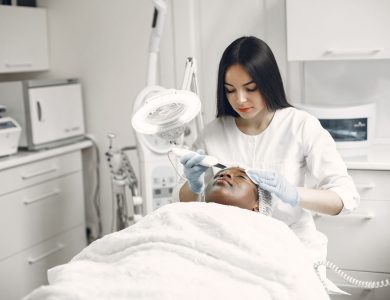
This is the broadest category, encompassing hair removal, IPL (intense pulsed light) for sun damage and redness, and resurfacing lasers that target texture, scarring, and pigment. Each device uses specific wavelengths of light energy to heat a chosen target—hair follicles, broken capillaries, or uneven melanin—without damaging surrounding skin. If you have acne scars or stubborn dark spots, this is likely where your solution lives.
Medical-Grade Skin Care and Acne Solutions
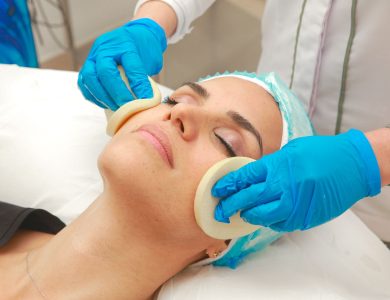
For persistent acne or maintenance between procedures, Dermacare carries physician-dispensed product lines and offers clinical-grade chemical peels. These aren’t drugstore formulations; the active ingredients penetrate at concentrations that require professional oversight. According to the American Academy of Dermatology, combining in-office treatments with a tailored home regimen consistently yields better outcomes for acne-prone skin than either approach alone.
Costs across all categories vary by units used, surface area treated, and individual anatomy—the clinic does not publish a fixed online price list for most procedures. Dermacare does offer complimentary consultations, which removes the financial pressure from that first appointment. You can walk in, ask blunt questions about downtime and expected results, and walk out without having swiped a card.
The Laser Menu: Matching Technology to Skin Concerns
Dermacare’s approach hinges on housing a suite of light-based and laser platforms, which signals an ability to match the energy wavelength and pulse duration to your concern rather than forcing your skin to adapt to a limited machine.
If you’re battling the patchy brown spots and broken capillaries that come with North Central Florida sun exposure, you’re likely looking at Intense Pulsed Light (IPL) therapy. Unlike a true laser, IPL uses a broad spectrum of light to target pigment and redness in the upper layers of skin, often requiring a series of quick sessions with almost zero downtime. For unwanted hair, the clinic offers laser hair removal that targets the melanin in the follicle. The key variable here is the device’s ability to safely treat darker skin tones; according to the American Academy of Dermatology, using inappropriate wavelengths on richly pigmented skin significantly raises the risk of burns and hyperpigmentation, making a proper consultation non-negotiable.
On the deeper end, fractional resurfacing addresses texture irregularities, acne scars, and deeper lines by creating microscopic columns of thermal injury to kickstart collagen production. This isn’t a lunchtime fix—expect a few days of redness and peeling—but the tradeoff is a more dramatic tightening effect than a surface-level treatment can provide. The spectrum breaks down into three tiers: quick brightening procedures you can do on a break, corrective pigment and hair treatments requiring a series of appointments, and ablative or semi-ablative resurfacing that demands a recovery window at home. A clinic running multiple platforms can navigate you between these tiers based on your tolerance for social downtime and your skin’s specific reactivity.
Acne and Beyond: Addressing the Root Cause, Not the Symptom
If you’ve cycled through drugstore benzoyl peroxide, trendy serums, and the same generic facial at three different spas only to watch the same deep breakouts resurface on schedule, you already know the frustration: you’re treating the surface, not the source. Dermacare structures its acne protocols around that distinction. Rather than defaulting to a one-size-fits-all dry-and-peel approach, the clinic typically layers multiple modalities depending on what’s driving your acne—excess sebum, bacterial overgrowth, sluggish cell turnover, or a combination. A single treatment plan might pair medical-grade chemical peels with manual extractions and blue-light or IPL therapy to target Cutibacterium acnes while calming surrounding inflammation.
What makes this fundamentally different from an over-the-counter or spa-only routine is access to prescription-strength topicals and the diagnostic lens of a physician-led team. Where a standard aesthetician is limited to surface-level exfoliation, a clinic operating under a board-certified plastic surgeon can layer in retinoids, topical antibiotics, or hormonal support strategies when indicated—reaching the deeper bacterial and endocrine drivers that keep acne chronic. Between in-office sessions, the clinic stocks physician-dispensed skincare lines, including SkinMedica, which reinforces barrier repair and cell turnover without pushing skin into the angry, flaking state that makes people abandon treatment.
A responsible clinic knows where its scope ends. If you present with severe nodulocystic acne or signs that point strongly to an underlying condition like polycystic ovary syndrome, the most ethical move is a coordinated referral to a dermatologist or endocrinologist—not a promise that another peel will fix it. According to the American Academy of Dermatology, adult acne prevalence has been rising steadily, with women accounting for the majority of persistent cases, which makes hormonal and systemic evaluation increasingly relevant.
How to Verify a Clinic’s Credentials Before You Book
Before you let anyone near your face with a laser or a needle, there’s a five-minute homework assignment that tells you more than any Instagram reel or five-star review ever will. The medical director is the single most important variable in a clinic’s safety equation—and in Florida, where the regulatory line between a medical clinic and a day spa can get blurry, verifying credentials yourself is non-negotiable.
Step 1: Look Up the Board Certification
Not all “board-certified” claims are equal. The gold standards in aesthetic medicine are the American Board of Plastic Surgery (ABPS) and the American Board of Dermatology. Both are member boards of the American Board of Medical Specialties (ABMS), which requires rigorous, specialty-specific surgical and clinical training. Go to certificationmatters.org or the ABPS website directly, type in the doctor’s name, and confirm their certification status and any subspecialties. If the doctor’s board certification is from a group you’ve never heard of—or isn’t listed with the ABMS at all—treat that as a warning sign.
Step 2: Check Florida Licensure and Disciplinary History
The Florida Department of Health maintains a public license lookup at flhealthsource.gov. Enter the physician’s name and you’ll see their license status, any past disciplinary actions, and malpractice claims that resulted in a payout. A clean record isn’t the whole story, but a record with multiple entries is a hard stop. This is also where you can verify the clinic itself holds an active medical establishment permit if one is required for the procedures offered.
Step 3: Ask Two Specific Questions at the Consultation
When you’re in the room, pay attention to how the staff handles direct questions. Ask: “Who exactly will perform my treatment, and what are their specific qualifications?” and “Do you have hospital admitting privileges or a written emergency protocol?” A legitimate, medically-supervised clinic will answer without hesitation—often with printed credentials or a clear explanation of the supervising physician’s on-call availability. Evasiveness, vague references to “our medical team,” or visible annoyance are red flags you shouldn’t ignore.
Dermacare Gainesville sits on the stronger side of this framework. The clinic’s medical director holds board certification in plastic surgery—a verifiable, ABMS-recognized credential that signals a baseline of surgical training and anatomical knowledge you won’t find at a spa where the medical director is a pediatrician or an ER doctor moonlighting for extra income.
The Loyalty Factor: Are Maintenance Programs Worth the Commitment?
Membership models have quietly reshaped how Americans pay for aesthetic care—dermatology chains, dental practices, and med spas alike now offer them. The pitch is straightforward: you pay a set monthly or annual fee, and in return, you unlock discounts, product credits, or bundled services that would cost more à la carte. Dermacare Gainesville participates in this trend, structuring its loyalty and maintenance programs around the reality that most effective skin treatments aren’t one-and-done events.
The core value proposition is a predictable budget. If you’re already planning quarterly Botox touch-ups, monthly HydraFacials, or a series of laser hair removal sessions, a membership can drop your per-visit cost by 15–30% compared to paying as you go. Some programs also roll in a retail product allowance—often in the $50–$100 range each month—which pre-funds the medical-grade sunscreen or retinol you’d be buying anyway. For someone treating persistent acne or managing rosacea, that consistency matters: the American Academy of Dermatology has long emphasized that irregular treatment is one of the top reasons chronic skin conditions relapse.
The trade-off is commitment. Most aesthetic memberships run on 12-month contracts, and if your schedule shifts—or if you realize after two sessions that a particular laser isn’t giving you the result you hoped for—you’re still on the hook for the remaining months. There’s also a subtle psychological nudge at play: the “use it or lose it” structure can pressure you into treatments you don’t strictly need to feel like you’re getting your money’s worth.
Before you sign anything, do a quick break-even calculation. Tally the treatments you realistically expect to book over a full year at the non-member rate, then compare that total to 12 months of membership dues plus any reduced per-service fees. If the membership saves you money only when you book a treatment every single month, and you know you’re more of a quarterly visitor, the math won’t favor a long-term lock-in. The right program should reward the routine you already keep—not invent a new one you’ll struggle to maintain.
Honest Pros and Cons of Choosing Dermacare Gainesville
Dermacare Gainesville has been a fixture in North Central Florida for over 19 years, and that longevity alone tells you something—med spas don’t survive two decades on clever Instagram ads. But longevity isn’t the same as a perfect fit. Here’s where the clinic delivers, and where it might leave you wanting more.
Where Dermacare Gets It Right
- Medical oversight you can verify. The medical director is a board-certified plastic surgeon, not a physician in an unrelated specialty who took a weekend injectables course. This matters most when you’re pursuing natural-looking results that require an understanding of facial anatomy—something the American Board of Plastic Surgery rigorously tests.
- A broad service menu under one roof. Rather than piecing together a skincare plan across three different providers, you can address acne, unwanted hair, and fine lines in a single treatment pathway. This is especially practical if you’re managing a condition like persistent adult acne that benefits from coordinated laser and clinical-grade skincare.
- Low-barrier entry points. Complimentary consultations remove the financial risk of exploring your options. Their loyalty and maintenance programs also reward consistency—a meaningful perk if you plan to return for Botox touch-ups or laser hair removal sessions that require multiple visits.
Where You’ll Need to Ask Harder Questions
- Prime-time scarcity. An established reputation draws a full schedule. If you need evening or Saturday appointments, you may wait longer than you would at a high-volume chain. Plan to book maintenance visits well ahead.
- Surgeon-led pricing. The premium you pay for that medical directorship is real. Expect per-unit Botox pricing and laser packages to land above what you’d find at a strip-mall spa running constant promotions. You’re paying for oversight, not product.
- Injector variability. The plastic surgeon leads the clinic—but may not be the person holding the syringe at your appointment. Experience levels among the nursing and aesthetic injector staff can differ. The single most important question you can ask before booking is, “Who will be treating me, and how long have they been injecting?”
No clinic is universally right. If your top priority is the lowest possible per-unit cost and instant walk-in availability, a high-volume med spa may serve you fine. But if you’re someone who lies awake worrying about looking overdone or wasting money on a treatment that wasn’t thoughtfully recommended, the medical guardrails here carry real weight. The choice hinges on whether you’re buying a transaction—or a relationship with a clinic that has the credentials to say “no” when a treatment isn’t right for you.
Credible Alternatives: How Other Gainesville Clinics Compare
A competitive market is your best friend when you’re shopping for aesthetic work. It forces clinics to stay sharp on training, technology, and pricing—and Gainesville has a deeper bench than you might expect. If Dermacare’s surgeon-led model appeals but you want to cross-shop, here’s how three credible alternatives stack up.
Gainesville Dermatology & Skin Surgery
If your primary concern is medical rather than purely cosmetic—think stubborn eczema, annual skin cancer screenings, or acne that hasn’t responded to drugstore treatments—a dermatologist-led practice is the gold standard. Gainesville Dermatology & Skin Surgery brings that board-certified dermatology expertise to the table. The trade-off? Their cosmetic laser menu is often more limited than a dedicated cosmetic clinic’s, and you’re less likely to find the full suite of high-end resurfacing devices or spa-like membership perks. This is the clear choice when a rash or suspicious mole is keeping you up at night, but it may feel too clinical if you’re chasing purely aesthetic goals.
Accent Physician Specialists
For a direct line to a single plastic surgeon, a private practice like Accent Physician Specialists offers concentrated, one-on-one care. You’ll likely see the same physician for every injectable appointment and surgical consult, which can build a level of trust that’s harder to replicate in a high-volume clinic. The downside is scope: you probably won’t find the ancillary services, loyalty programs, or broad menu of non-invasive laser options that a larger aesthetic center maintains. If you want a long-term relationship with one surgeon and don’t mind a narrower treatment list, this model fits.
Radiance Medspa
A high-end medical spa like Radiance Medspa can deliver a boutique, relaxation-forward experience with competitive pricing on injectables and facials. The atmosphere tends to feel less like a doctor’s office and more like a retreat. But the crucial variable is medical oversight. The American Society of Plastic Surgeons has long cautioned that the term “medical spa” carries no standardized legal definition, so verifying the supervising physician’s credentials and on-site presence becomes your responsibility. Ask directly: who is the medical director, and are they board-certified in a relevant specialty? A beautiful lobby doesn’t guarantee safe hands.
Your final choice boils down to a personal priority matrix: medical dermatology versus cosmetic volume and variety versus surgeon-led oversight versus spa ambiance. Rank those four factors honestly, and the right Gainesville clinic snaps into focus.
Your First Appointment: What to Ask to Ensure a Natural Result
Walking into a consultation without a game plan is the fastest route to a result you didn’t want. A clinic led by a board-certified plastic surgeon should welcome direct questions—if they deflect or rush you, that’s your cue to leave. Start by asking to see before-and-after photos of patients with your specific concern and a similar skin tone, not a highlight reel of 25-year-olds. Then, address the elephant in the room: “What is your strategy to keep my face moving naturally?” A skilled injector will explain the concept of injectable conservatism—starting with fewer units than you might technically “need,” scheduling a two-week follow-up, and layering only if necessary. They should never push maximum volume on a first visit.
Bring two or three reference photos that represent what you consider a refreshed, natural outcome, and state clearly: “I want to look rested, not different.” This gives the provider a concrete target instead of guessing what “a little” means to you. Equally important is the safety conversation. According to the American Society of Plastic Surgeons, filler injected into a blood vessel—a rare but serious complication called vascular occlusion—requires immediate reversal with hyaluronidase, a protocol any physician-led clinic should have stocked and ready. Ask directly: “If a complication occurs, what is your exact protocol, and do you have the reversal agent on-site?” A confident provider will walk you through their emergency plan without hesitation. If the answer is vague, that’s a dealbreaker—no matter how attractive the pricing or how convenient the location.