Correction, September 23, 2026: An earlier version overstated the idea that dietary cholesterol has little effect for most people. It also gave unsupported testing prices and a fixed waiting period before medication. Those statements have been removed. Dietary cholesterol can raise LDL; individual response and the rest of the diet matter.
Does cholesterol in food affect blood cholesterol?
Yes, it can. Dietary cholesterol and blood cholesterol are different measurements, but that does not make them unrelated. The American Heart Association’s science advisory found that controlled feeding studies linked higher dietary cholesterol intake with higher LDL cholesterol, including analyses accounting for dietary fat type. Observational findings about cardiovascular events were less consistent. Those two kinds of evidence answer different questions.[1]
That distinction matters when a headline claims either that eggs are harmless for everyone or that one egg causes heart disease. A change in a blood marker is not the same as proof of a particular person’s future heart attack. Conversely, inconsistent observational findings do not establish that unlimited dietary cholesterol is safe.
Three questions that a “cholesterol myth” headline mixes together
- What is in the food? Dietary cholesterol is a food constituent. Saturated fat is a different constituent, even though some foods contain both.
- What happens to blood lipids? A person’s response depends on more than the cholesterol number on one label.
- What happens to overall health? Cardiovascular risk also involves medical history and other factors. A clinician interprets a lipid panel in that wider context.[2][3]
Removing a simple food-intake ceiling from a guideline does not prove the nutrient has no effect. It also does not turn a food-label reference value into a personal allowance. Avoid using either argument to justify a major diet change.
Why the replacement food matters
The AHA emphasizes overall eating patterns and replacing saturated fats with unsaturated fats.[1] To turn that into a useful purchase, name both sides of the substitution. “Eat less of this” leaves an important question unanswered: what will fill the gap?
| Decision | Useful comparison | What one headline misses |
|---|---|---|
| Breakfast | Compare the full meal, including cooking fat, meat, bread and fruit. | An egg count alone does not describe the meal. |
| Cooking fat | Compare saturated fat and the amount used for the same recipe. | “Plant based” does not automatically mean low in saturated fat. |
| Protein for dinner | Compare realistic portions of beans, tofu, fish or meat, along with preparation. | Replacing one food can change fiber, sodium, cost and satisfaction too. |
| Packaged snack | Read saturated fat, fiber and serving size as well as cholesterol. | A cholesterol-free claim is not a complete nutrition assessment. |
This table is a decision aid, not a ranking of foods. The practical aim is a substitution you can afford, prepare and continue eating.
What this means for eggs
The AHA advisory allows room for eggs within a healthy eating pattern while giving caveats for people with abnormal blood lipids and certain medical risks.[1] That is more nuanced than a universal “eggs do not raise cholesterol” statement. If you have been given a cholesterol or saturated-fat target, use that plan rather than adopting a number from a general article.
Use testing to answer the question food labels cannot
High cholesterol often has no symptoms. CDC guidance stresses testing and notes that some people need medicine as well as lifestyle changes.[2] Feeling well, being young or having a smaller body does not establish that your lipid levels are in a suitable range.
Ask your clinician when to test and what the results mean for your risk. Do not postpone a prescribed treatment for an arbitrary three-to-six-month diet experiment, or stop medicine because an article says cholesterol in food is a myth. Testing schedules and treatment decisions are individual.
A useful appointment note
Bring your previous lipid results if available, your medicines and supplements, relevant family history, and two or three meals you eat regularly. Then ask:
- Which result needs attention, and why does it matter in my case?
- Which realistic food substitution would be useful?
- What role does medication have in my plan?
- When should we review the result of the agreed changes?
There is no need to label yourself a “hyperresponder” from internet percentages. A clinician can interpret actual measurements and decide whether further evaluation is appropriate.
Sources and scope
- American Heart Association: Dietary Cholesterol and Cardiovascular Risk, science advisory, 2019; DOI 10.1161/CIR.0000000000000743.
- CDC: Cholesterol Myths and Facts.
- American Heart Association: Lower Your LDL.
Sources checked September 23, 2026. This is a document-based educational article, not a clinical review or individualized medical advice. Examples and worksheets are editorial tools, not research findings.
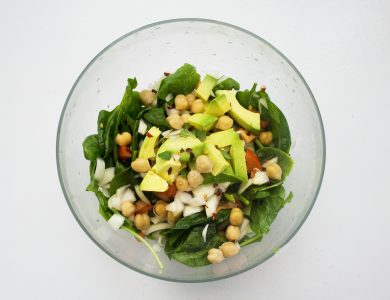
Image credit: National Cancer Institute/NIH image via Wikimedia Commons, U.S. federal public domain.