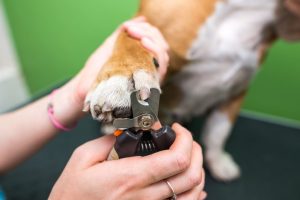
Choosing safe nail clippers for pets means looking for tools engineered with specific protective features: stainless steel blades, a built-in safety guard to prevent over-cutting, a locking mechanism for storage, and ergonomic handles that maintain control during the trim. According to the American Veterinary Medical Association, regular nail maintenance is part of responsible pet ownership, and using the wrong tool is one of the most common reasons owners accidentally injure their animals. This guide synthesizes veterinary and groomer-recommended features, examines leading product designs, and outlines what American pet owners should evaluate before purchasing a clipper for dogs or cats.
Why Nail Clipper Safety Matters for Pet Owners
Nail trimming is one of the most frequently performed at-home grooming tasks, yet it remains a leading cause of avoidable veterinary visits. The American Pet Products Association estimates that roughly two-thirds of US households own a pet, translating into tens of millions of routine nail trims each year. When clippers lack safety features, the risk of cutting into the quick — the sensitive vascular tissue inside the nail — increases substantially, causing bleeding, pain, and long-term anxiety around grooming.
Unsafe clippers also pose risks to the human handler. Dull blades require more squeezing pressure, which can cause the nail to crush rather than cut cleanly, leading to splintering. Poorly designed handles can slip during a sudden pet movement, resulting in pinched skin or misaligned cuts. Veterinary sources consistently emphasize that the right clipper does more than trim — it stabilizes the nail, limits cutting depth, and gives the owner predictable control [5]. For owners managing senior pets, anxious dogs, or thick-nailed large breeds, these safety design elements are not optional; they are foundational to safe at-home grooming.
Core Safety Features to Look For
A genuinely safe pet nail clipper integrates several engineering features that work together. Reviewing recommendations from veterinarians, groomers, and product testers reveals a consistent checklist [1][2][5].
- Stainless steel blades: Stainless steel resists corrosion, holds an edge longer, and can be disinfected easily between uses — an important hygiene consideration for multi-pet households [5].
- Safety guard or stop: A physical barrier that limits how far the blade can travel through the nail, reducing the chance of hitting the quick [1][2][5][9].
- Locking mechanism: Keeps the blades closed during storage, protecting children, other pets, and the blade edge itself [1][2][7].
- Ergonomic, non-slip handles: Rubberized or contoured grips reduce hand fatigue and prevent slippage during the cut [2].
- Spring-loaded action: Returns the blades to the open position automatically, allowing smoother repetitive cuts [1].
- Appropriately sized blades: Blade thickness should match the pet’s nail size — 3.5mm or thicker blades suit medium and large dogs, while precision models accommodate nails up to about 4mm (0.16 inches) for small pets [2][7].
When evaluating a product page or in-store packaging, owners should confirm at least four of these features are explicitly listed.
How Safety Guards and Quick Detection Work
The single most-cited feature in safe pet nail clippers is the safety guard — sometimes called a quick guard or safety stop. This is typically a small plastic or metal plate positioned in front of the blade that physically limits how much of the nail can pass through before being cut [1][2][5][9]. For owners new to trimming, this guard provides a critical margin of error, especially with pets whose nails are dark and make the quick difficult to see visually.
More advanced clippers add illumination. The PawSafe® Pet Nail Clipper, for example, integrates an LED light designed to shine through the nail and help expose the location of the quick, along with a small catcher that retains nail clippings to reduce mess [3]. While LED-equipped models do not guarantee perfect quick avoidance — translucency varies by breed and pigmentation — they offer an additional visual cue that many owners find helpful for dogs with black nails. Combined with a proper safety guard, lighting features represent the current state of the art in consumer-grade trimming safety.
Matching the Clipper to Your Pet’s Size
One of the most overlooked safety considerations is sizing. A clipper designed for a Chihuahua cannot safely cut through the dense nail of a Labrador, and a large-breed clipper applied to a kitten risks crushing rather than slicing the nail.
For large and extra-large dogs, look for heavy-duty dual-bladed designs. The Epica Best Professional Pet Nail Clippers are noted for the durability and sharpness required for bigger breeds [4], while the DogRook Dog & Cat Nail Clipper is marketed as a professional-grade tool for large dogs with an integrated safety stop [9]. For medium dogs, the Mighty Paw Dog Nail Clippers with 3.5mm stainless steel blades, a safety guard, and a locking switch represent a balanced choice recommended by veterinarians and groomers [2]. The Andis Pet Nail Clipper, with stainless steel blades and a spring-loaded mechanism, is another versatile option [1].
For small dogs, cats, and other small pets, precision tools such as the Tweezerman Small Precision Nail Clipper accommodate nails up to 4mm wide and feature an auto-lock mechanism for storage safety [7]. Matching blade size to nail diameter produces cleaner cuts and reduces the force required.
What Experts Recommend
Veterinarians and professional groomers consistently emphasize technique alongside tool selection. Experts recommend trimming small amounts at a time rather than attempting to shorten a nail dramatically in one cut, particularly when the quick has grown out due to prolonged neglect [5]. The general guidance is to remove only the curved tip and stop at the first sign of a darker oval appearing in the cut surface, which indicates proximity to the quick.
Professionals also recommend conditioning pets to the clipper gradually. This includes letting the animal sniff the tool, associating it with treats, and performing brief handling sessions before any cutting occurs. For pets that resist trimming, experts suggest splitting the task across multiple short sessions rather than forcing all four paws in one sitting.
Hygiene is another professional priority. Stainless steel components should be wiped with a veterinary-approved disinfectant between pets in multi-animal homes [5]. Finally, experts strongly advise keeping styptic powder on hand. If the quick is accidentally nicked, styptic powder stops bleeding within seconds and is available at most US pet retailers and pharmacies for under $10.
Common Mistakes to Avoid
Even with the safest clipper, technique errors can cause injury. The most frequent mistakes reported by veterinary professionals include:
- Using dull or aging blades. A dulled blade requires more force and produces ragged cuts that can splinter the nail. Replace or sharpen blades according to the manufacturer’s guidance.
- Cutting at the wrong angle. Nails should be trimmed at roughly the natural curve of the nail, not straight across, to preserve the protective tip while removing excess length.
- Ignoring the dewclaws. These nails do not contact the ground and can grow into the pad if neglected, causing infection.
- Skipping the lock. Storing clippers unlocked exposes household members to accidental cuts and dulls the blade against surrounding objects [1][2][7].
- Trimming a stressed pet. A struggling animal increases the risk of a slip. Pause, reset, and try again later if the pet becomes severely distressed.
Owners new to trimming may benefit from scheduling one professional session at a groomer or veterinary clinic to observe proper technique before attempting it independently.
US Cost Expectations and Where to Buy
Pet nail clippers are widely available across the United States through pet specialty retailers, big-box stores, veterinary clinics, and online marketplaces. Entry-level safe clippers typically range from $10 to $20, while professional-grade models with features such as LED lights, premium stainless steel, and ergonomic handles fall between $20 and $45. Specialty precision tools designed for very small pets are often priced in a similar mid-range bracket [7].
For comparison, the average cost of a professional nail trim at a US grooming salon or veterinary clinic ranges from roughly $10 to $25 per visit. Pets generally need trims every three to six weeks, meaning the annual cost of professional trims can exceed $200 — quickly outpacing the one-time purchase of a quality clipper. State and local regulations on grooming businesses vary, so service availability and pricing differ by region.
When buying online, owners should prioritize products with clearly listed safety features, verified veterinary recommendations, and US-based customer support for warranty claims. Avoid unbranded clippers without disclosed blade specifications.
When to Consult a Veterinary Professional
While at-home trimming is appropriate for most healthy pets, certain situations warrant professional involvement. Pets with overgrown nails where the quick has elongated, animals with clotting disorders, dogs with severe grooming anxiety, and pets recovering from paw injuries should be evaluated by a veterinarian or experienced groomer before any home trim. If bleeding from a cut quick does not stop within five minutes despite applying styptic powder and direct pressure, contact a veterinarian promptly.
This guide reflects publicly available product information and veterinary guidance as of 2026. It is informational only and does not replace personalized advice from a licensed veterinary professional, particularly for pets with underlying health conditions.
References
- Business Insider — I tested 13 dog nail clippers on large and small dogs, and these are the best for safe trims
- Mighty Paw Dog Nail Clippers with Safety Guard & Locking Switch
- PawSafe® Pet Nail Clippers – Safe Toenail Trimmer For Dogs & Cats
- The Spruce Pets — The 8 Best Dog Nail Clippers
- PetMD — 8 Best Nail Clippers for Dogs, Recommended by Vets
- Tweezerman — Small Precision Nail Clipper for Pets
- DogRook — Dog & Cat Nail Clipper
Frequently Asked Questions
- What makes a nail clipper safe for pets?
- A safe pet nail clipper combines several features that work together to prevent injury. Look for stainless steel blades that stay sharp and resist rust, a built-in safety guard that limits how far the blade travels through the nail, a locking mechanism for safe storage, and ergonomic non-slip handles for control. Spring-loaded action helps with repeat cuts, and the blade size should match your pet’s nail thickness. Veterinarians and professional groomers consistently recommend models that include at least the safety guard and stainless steel construction, since these two features address the most common causes of accidental injury.
- How do I avoid cutting the quick on my dog’s nail?
- Trim small amounts at a time rather than attempting a major shortening in one cut. On light-colored nails, the quick appears as a pink line visible through the nail — stop well before reaching it. On dark nails, look for a small dark oval in the center of the freshly cut surface, which signals you are approaching the quick. Use a clipper with a safety guard, and consider models with LED quick-detection lights for darker nails. Always keep styptic powder nearby; if you nick the quick, apply pressure and styptic powder to stop the bleeding within seconds.
- How often should I trim my pet’s nails?
- Most dogs and cats need a trim every three to six weeks, though the exact interval depends on activity level, surface types they walk on, and individual nail growth rate. Dogs that walk regularly on concrete or asphalt often need less frequent trims because the surface naturally files the nails. Indoor cats and senior pets typically require more frequent maintenance. A reliable signal is the sound of clicking on hard floors — if you hear it, the nails are likely too long. Regular short trims are safer than infrequent dramatic shortenings, which increase quick-injury risk.
- Are nail clippers or grinders safer for pets?
- Both can be safe when used properly, and the better choice depends on your pet. Clippers with safety guards are faster and quieter, making them ideal for pets sensitive to noise or vibration. Grinders gradually file the nail and reduce the chance of cutting into the quick, but the motor sound and sensation can stress some animals. Many owners use both: clippers to remove the bulk of length and a grinder to smooth the edge. Whichever tool you choose, prioritize features such as locking mechanisms, ergonomic handles, and appropriate size for your pet’s nails.
- What size nail clipper does my pet need?
- Match the clipper to your pet’s nail diameter. Small pets, cats, kittens, and toy-breed dogs typically need precision clippers designed for nails up to about 4mm (0.16 inches) wide. Medium dogs do well with 3.5mm stainless steel blade clippers that include a safety guard. Large and extra-large breeds require heavy-duty dual-bladed clippers built to cut through thicker, denser nails without crushing. Using a clipper that is too small for a large dog produces ragged cuts; using one too large for a small pet reduces precision. Most manufacturers list a recommended weight range on packaging.
- How much do safe pet nail clippers cost in the US?
- Entry-level safe clippers with basic safety guards and stainless steel blades range from about $10 to $20 at major US pet retailers. Mid-range models with locking mechanisms, ergonomic handles, and bonus accessories such as nail files fall between $20 and $30. Premium options with LED quick-detection lights or professional-grade dual blades for large breeds typically run $30 to $45. Compared with professional trims at grooming salons or veterinary clinics, which average $10 to $25 per visit every few weeks, investing once in a quality clipper usually pays for itself within a year.
- Can I use human nail clippers on my pet?
- Human nail clippers are not recommended for pets. They are designed for the flat, thin shape of human nails and tend to crush rather than cleanly cut the curved, denser nails of dogs and cats. This can splinter the nail, cause pain, and increase the risk of infection. Human clippers also lack safety guards specifically designed to prevent over-cutting into the quick. For very small pets such as kittens or tiny dogs, precision pet clippers designed for nails up to 4mm wide provide a much safer and more comfortable alternative to repurposing human grooming tools.
- When should I take my pet to a professional groomer instead?
- Consider a professional trim if your pet’s nails are severely overgrown and the quick has elongated, if your pet has a clotting disorder or other medical condition, or if grooming anxiety makes safe handling impossible at home. Pets recovering from paw injuries should also be seen by a veterinarian before any trim. If bleeding from a nicked quick does not stop within five minutes despite styptic powder and pressure, contact a veterinarian. A single professional session can also be valuable for new pet owners who want to observe proper technique before trimming independently at home.