Laser Skin Treatment Guide: Types, Uses & Recovery
Discover how laser skin treatments can clear acne scars, wrinkles, and pigmentation. Learn what to expect, recovery tips, and how to find a top clinic.
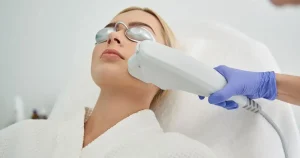
Achieving smooth, clear skin often feels like a frustrating puzzle. You might buy endless serums, creams, and exfoliants, only to see minor improvements. Because topical products can only do so much, millions of people now turn to laser skin treatments. These advanced procedures use focused light to target specific skin layers, effectively erasing damage and revealing a fresh, healthy complexion.
Laser skin resurfacing has surged in popularity over the last decade. The technology allows doctors to treat complex skin issues without relying on invasive surgery. Whether you want to fade stubborn acne scars, reduce sun spots, or smooth out deep wrinkles, a specific laser exists to handle the job.
This comprehensive guide breaks down exactly how these treatments work. We will explore the different types of lasers available and explain which skin concerns they treat best. You will also learn what to expect during the procedure, how to manage your recovery, and exactly how to choose a qualified, safe provider.
Understanding How Laser Skin Treatments Work
Lasers use concentrated beams of light to deliver heat to your skin tissue. This controlled heat creates microscopic injuries in the targeted area. Your body responds to these tiny injuries by kicking its natural healing process into high gear. It immediately starts producing fresh collagen and elastin, the two essential proteins that keep your skin firm, tight, and youthful.
Dermatologists categorize these treatments into two main groups: ablative and non-ablative lasers. Understanding the difference between these two categories helps you determine which option best fits your lifestyle and skin goals.
The Power of Ablative Lasers
Ablative lasers provide the most dramatic, noticeable results. These powerful devices actually strip away the outermost layer of your skin, known as the epidermis. At the same time, they heat the underlying layer, called the dermis, to stimulate massive collagen production. As the epidermis heals and regrows, the new skin appears significantly tighter and smoother.
Carbon dioxide (CO2) lasers and Erbium lasers stand as the most common ablative options. Doctors use CO2 lasers to treat deep wrinkles, severe sun damage, and large warts. Erbium lasers work well for moderately deep lines and superficial skin concerns. Because ablative lasers cause more physical trauma to the skin, they require a longer recovery period, often keeping you home for a week or two.
The Gentle Approach of Non-Ablative Lasers
Non-ablative lasers take a much gentler approach. Instead of destroying the top layer of skin, they safely bypass the epidermis and deliver heat straight into the underlying dermis. This heat triggers collagen growth from the inside out, improving the tone and texture of your skin over time.
Pulsed-dye lasers, Nd:YAG lasers, and Intense Pulsed Light (IPL) devices fall into this category. Non-ablative treatments cause very little physical damage to the skin surface. You can usually return to work immediately after your appointment, making them a highly convenient option. However, because they are less aggressive, you will likely need multiple sessions to see your desired results.
Top Skin Concerns Addressed by Lasers
Laser technology has advanced rapidly, giving dermatologists highly specific tools to address almost any skin flaw. By adjusting the wavelength of the light, doctors can target different colors and depths within the skin tissue.
Smoothing Out Fine Lines and Wrinkles
As we age, our bodies naturally stop producing high levels of collagen. This loss of structural support causes the skin to fold, creating fine lines and deep wrinkles around the eyes, mouth, and forehead. Laser resurfacing directly combats this aging process.
Ablative CO2 lasers excel at erasing deep facial wrinkles. The intense heat forces the skin to contract and tighten immediately. Over the following months, the newly generated collagen plumps the skin from below, pushing out fine lines and restoring a youthful, smooth texture to your face.
Fading Acne Scars and Texture Issues
Severe acne often leaves behind permanent reminders in the form of pitted scars or raised, bumpy tissue. These textural irregularities do not respond well to chemical peels or microdermabrasion. Lasers offer one of the few effective ways to smooth out scarred skin permanently.
Fractional lasers work beautifully for acne scars. These devices break the laser beam into thousands of tiny columns, treating only a fraction of the skin at a time. This fractional approach leaves healthy tissue untouched around the treated areas, speeding up the healing process. The laser breaks down the tough scar tissue and encourages healthy, smooth skin to grow in its place.
Clearing Pigmentation and Sun Damage
Spending years in the sun without adequate protection leads to hyperpigmentation. This includes age spots, freckles, melasma, and persistent redness. Lasers can safely break apart this unwanted pigment, restoring a clear, even skin tone.
Specific lasers target melanin, the pigment responsible for dark spots, or hemoglobin, the protein in red blood cells. When the laser hits a dark spot, the heat shatters the pigment particles. Your body’s immune system then naturally flushes away those broken particles over the next few weeks, leaving the skin clear and bright.
What to Expect During Your Laser Procedure
Walking into a clinic for a laser treatment can feel intimidating, but knowing the process helps calm your nerves. A standard laser session follows a highly structured, predictable routine designed to maximize your safety and comfort.
First, the medical staff will thoroughly clean your face to remove any oils, makeup, or dirt. For more intense ablative treatments, the doctor will apply a strong topical numbing cream to your skin about an hour before the procedure. Some clinics also offer mild oral sedatives to help you relax if you feel highly anxious.
Once your skin goes numb, you will wear protective goggles to shield your eyes from the bright laser flashes. The doctor will then move the laser wand systematically across the treatment area. You might feel a sensation similar to a rubber band snapping against your skin, accompanied by a quick blast of heat.
The entire process usually takes between 30 minutes to two hours, depending entirely on the size of the treatment area. After the doctor finishes, they will apply a thick, soothing ointment to your skin and provide you with ice packs to reduce immediate swelling.
The Recovery Process and Potential Risks
Your recovery timeline depends heavily on the specific type of laser your doctor used. Preparing your home and adjusting your schedule ahead of time ensures a smooth, stress-free healing period.
Common Side Effects and Risks
After a non-ablative treatment, you will likely experience mild redness and swelling, similar to a light sunburn. This usually subsides within a few hours to a couple of days.
Ablative laser recovery requires much more patience. Your skin will look red, raw, and heavily swollen. Within a few days, the treated skin will begin to crust, peel, and flake off. This peeling phase looks intense, but it represents the natural shedding of damaged tissue.
While laser treatments boast a high safety profile, they do carry some potential risks. These include bacterial infections, unexpected scarring, or changes in your skin color. Darker skin tones face a higher risk of hyperpigmentation following a laser treatment. If you have a deeper complexion, you must work with a doctor who specifically uses safe devices like the Nd:YAG laser.
Essential Aftercare Tips for the Best Results
Proper aftercare dictates the final quality of your results. You must treat your healing skin with extreme care and follow your doctor’s instructions perfectly.
Keep your skin highly moisturized using the specific ointments provided by your clinic. Never pick, scratch, or peel the flaking skin, as this will lead to permanent scarring. Wash your face gently with a mild, non-foaming cleanser and cool water.
Most importantly, you must protect your newly exposed skin from the sun. The fresh skin remains highly vulnerable to ultraviolet rays. Avoid direct sunlight completely during your initial recovery. Once your skin heals, apply a broad-spectrum sunscreen with an SPF of at least 30 every single day to protect your investment.
How to Choose the Right Clinic and Dermatologist
The success of your laser treatment depends entirely on the skill and experience of the person holding the device. You should never hunt for bargain prices when it comes to medical cosmetic procedures.
Start by seeking out a board-certified dermatologist or a highly trained plastic surgeon. These medical professionals understand the complex anatomy of the skin and know how to manage rare complications. Avoid med-spas that allow uncertified technicians to operate powerful laser machines.
During your initial consultation, ask the doctor how many times they have performed the specific laser treatment you want. Ask to see a portfolio of their before-and-after photos, paying close attention to patients who share your specific skin type and tone. A reputable doctor will happily share their success rates and discuss all potential risks openly.
Finally, read online reviews from previous patients to gauge the clinic’s standard of care. Pay attention to how the staff handles follow-up appointments and aftercare questions. You want a provider who fully supports you through the entire healing journey.
Taking the first step toward clearer skin begins with gathering the right information. Now that you understand how these powerful devices work, you can make an educated choice about your skincare. Research board-certified dermatologists in your local area today, and schedule a consultation to discover which laser treatment will finally help you reveal your best skin.
Advertisement