Ditch Delivery: Fast Salmon and Asparagus
Tired of food delivery apps and decision fatigue? Discover how cooking a quick, delicious salmon and asparagus dinner reclaims your time and joy.
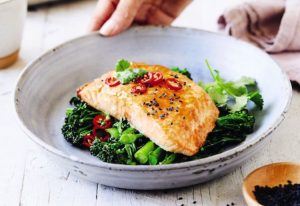
The call goes out sometime around dusk. It is a quiet siren, not of alarm, but of gentle, creeping paralysis. What is for dinner? The question, innocent on its surface, lands like an anvil in the modern mind. A refrigerator, full of possibilities, suddenly feels like a barren wasteland.
The energy required to chop, sear, and season feels Herculean after a long day of work. And so, we reach for the oracle—the glowing rectangle in our pocket. We summon the food delivery apps. We have access to a pantheon of global cuisine, ready to be dispatched to our doorsteps by an invisible army of drivers.
Thai green curry sits just a few taps away. A Neapolitan pizza with buffalo mozzarella is practically en route. Yet, this digital cornucopia comes at a hidden cost, one not listed on the itemized receipt. It introduces a massive amount of friction into our lives, wrapping us in the paradox of infinite choice.
This post explores the hidden costs of our reliance on delivery apps, from severe decision fatigue to the loss of culinary joy. We will examine how a simple, home-cooked meal offers a powerful antidote to this modern exhaustion. Finally, you will discover how preparing a stunning plate of salmon and asparagus actually saves you time and restores your peace of mind.
The Hidden Cost of the Digital Menu
Consider the journey of a simple meal. In the pre-app era, the decision path felt relatively linear. Do you have the ingredients? If yes, you cook. If no, you go to the store.
The process involved physical movement and sensory engagement. You smelled the fresh dill and felt the snap of an asparagus spear. The task remained contained and manageable. Now, that same dinner acts as a competitor in a brutal gastronomic arena.
The Paradox of Infinite Choice
Opening a delivery app plunges you into a digital labyrinth. First, you must choose the app itself. Which one offers the best discount? Which one has the better loyalty program?
Once inside, the real battle begins. Restaurant A boasts 4.3 stars from 1,200 reviews, but its salmon costs $28. Restaurant B sells salmon for only $22, but it carries a dreaded 3.9-star rating. A review from “DisappointedDan” mentions a dry, flavorless fillet, sending you back to the search bar.
A third option pops up—a highly-rated sushi place. Maybe you want sushi instead? An hour later, intense decision fatigue sets in. You feel mentally exhausted, endlessly scrolling past heavily filtered photos of food. The initial desire for a nourishing meal completely vanishes, replaced by a desperate need to simply make the scrolling stop.
The Illusion of Saved Time
The primary lure of food delivery is its promise to save us time. We willingly pay steep service fees and driver tips to outsource our effort. However, the time we supposedly save often reveals itself as a complete illusion.
Instead of actively preparing a meal, we fall into a black hole of logistical anxiety. We stare at a tiny digital car inching across a map. Is the driver lost? Why is he going in the opposite direction? Did he just drop my order on the wrong porch?
This passive, anxious waiting state creates a uniquely modern form of purgatory. It represents dead time. You cannot focus on relaxing, nor can you dive into another project, because you remain tethered to the delivery tracker. You traded the active, mindful practice of cooking for an hour of low-grade stress.
Elena’s Story: From Scrolling to Searing
To understand this shift in our relationship with time and labor, let us trace the journey of Elena. Elena works as a freelance graphic designer, spending her days staring at screens. By 6 PM, her creative energy feels entirely depleted.
The thought of conceptualizing and executing a dinner feels overwhelmingly difficult. She opens her phone, intending to order a simple, healthy salad. Immediately, the app bombards her with bright banners for two-for-one burgers and notifications about new local kebab shops.
A persistent pop-up asks, “Do you want to reorder your usual?” Her simple quest for lettuce and grilled chicken becomes a 45-minute odyssey. She navigates confusing menus, calculates hidden delivery fees, and debates the appropriate driver tip.
The 45-Minute Salad Odyssey
When her salad finally arrives, the experience falls incredibly flat. The paper bag sits crumpled on her porch. The vinaigrette dressing leaked during transit, soaking the bottom of the cardboard bowl.
The meal provides basic sustenance, but it offers absolutely zero joy. It fills a physical void without providing any nourishment for the soul. She eats the lukewarm meal while continuing to scroll on her phone, entirely disconnected from the food in front of her.
Elena realizes she spent nearly fifty dollars and over an hour securing a meal that left her feeling empty. The convenience she paid for actually delivered frustration and disappointment.
Reclaiming the Kitchen
The following evening, exasperated by the digital noise, Elena makes a different choice. She puts her phone face down on the counter. She remembers the frozen salmon fillets resting in her freezer.
She places the fish in a bowl of cool water to thaw, a process that takes barely ten minutes. She spends five minutes tossing fresh asparagus spears with olive oil, kosher salt, and cracked black pepper. She heats a skillet on the stove for three minutes until it shimmers.
She sears the salmon for exactly eight minutes. In under half an hour—significantly less time than she spent scrolling the previous night—a magnificent meal sits before her. The aroma of toasted garlic and bright lemon fills her small apartment.
The sizzle of the fish skin hitting the hot pan provided a primal, deeply satisfying soundtrack to her evening. This was not just a meal; it was a small, powerful act of reclamation. She took a moment of potential drudgery and transformed it into a genuine act of self-care.
Why Cooking Beats the App Every Time
We do not advocate for the total abolition of food delivery. Delivery services provide a modern marvel, offering welcome relief when you feel genuinely sick, completely exhausted, or want to celebrate a special occasion. But its role has morphed from a helpful tool into an automatic reflex.
It has become the default answer to a question we have forgotten how to ask ourselves: What do I truly need right now? More often than not, the answer extends far beyond mere calories.
The Psychological Rewards of Creation
Cooking requires your presence. It demands active time, pulling you away from the digital screens that dominate your day. The rhythmic chopping of a shallot acts as a grounding exercise.
The careful measurement of spices and the watchful eye on a browning fillet serve as solid anchors to the present moment. Cooking forces you to engage your senses. You listen for the sizzle, smell the herbs, and feel the texture of the ingredients.
This mindful practice confidently says, “I am here. I am capable. I can provide for myself.” The psychological reward of creating something beautiful with your own two hands far outweighs the fleeting relief of clicking “Order Now.”
Freshness You Can Actually Taste
Delivery food inherently compromises on quality. A seared piece of fish continues to steam inside a plastic container, losing its crisp edges. Roasted vegetables turn limp and soggy during the twenty-minute car ride to your house.
When you cook at home, you control the final product. You pull the salmon from the pan at the exact moment of perfection. You serve the asparagus while it still retains a vibrant green snap.
The difference in taste and texture is undeniable. You elevate your dining experience simply by removing the transit time between the kitchen and the dining table.
How to Master the Speedy Salmon Dinner
You might believe that cooking a beautiful meal requires immense skill or hours of preparation. The salmon and asparagus dinner perfectly shatters that myth. It stands as the ultimate counter-argument to the delivery app.
Keep Your Ingredients Simple
You do not need a massive pantry to create incredible flavor. A high-quality piece of salmon requires very little manipulation. Olive oil, salt, pepper, and a squeeze of fresh lemon juice represent all the seasoning you truly need.
Asparagus requires even less effort. Simply snap off the woody ends, toss them in oil, and throw them in a hot oven or alongside the fish in the pan. The simplicity of the ingredients allows their natural flavors to shine through brilliantly.
The 15-Minute Execution
The actual cooking process happens in a flash. While your pan heats up, you prep the vegetables. Once the salmon hits the heat, you have about four minutes per side to let the magic happen.
You can execute this entire meal, from opening the fridge to sitting down at the table, in less than twenty minutes. That is a fraction of the time you would spend debating between three different Thai restaurants on your phone.
Reclaim Your Time and Joy
Ditching delivery does not mean you must become a gourmet chef overnight. It simply means recognizing the value of your own time, focus, and capability. The delivery apps will always be there, waiting to capitalize on your fatigue.
However, you possess the power to choose a different path. You can step away from the endless digital scroll and step into the tactile, rewarding world of your own kitchen. You can trade the anxiety of the delivery tracker for the quiet pride of mastering a simple, beautiful recipe.
The next time the 6 PM dinner dread creeps in, ignore the glowing rectangle in your pocket. Tie on an apron, turn on your favorite music, and grab a skillet. Your speedy salmon with asparagus awaits, and it promises to deliver a satisfaction no app could ever match.
Advertisement