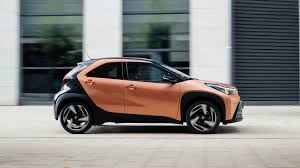
For US drivers navigating dense traffic, tight parking, and first-time car ownership, the best small cars for city driving and new drivers combine compact dimensions, strong fuel economy, advanced safety technology, and a manageable price point. Based on professional evaluations from Car and Driver, USA Today, and Kelley Blue Book, the current standouts include the Honda Civic, Toyota Corolla, Mazda 3, Hyundai Elantra, and Kia K4. This guide synthesizes expert rankings, pricing data, and safety considerations to help new drivers choose a vehicle suited to American urban environments.
As of 2026, small sedans and hatchbacks remain the most practical option for urban Americans, offering lower insurance premiums, easier maneuverability, and fuel costs that fit within tight household budgets.
Why Small Cars Are Ideal for City Driving
Small cars excel in urban environments for measurable reasons. Their shorter wheelbases translate to tighter turning radii, which simplifies parallel parking and U-turns on narrow streets. Compact dimensions also make it easier to fit into the on-street parking spaces typical of cities like Boston, San Francisco, and Chicago. According to the National Highway Traffic Safety Administration (NHTSA), modern compact vehicles now include standard driver-assistance features such as automatic emergency braking and lane-keeping assist, which significantly reduce low-speed collision risk—a leading concern in stop-and-go city traffic.
Fuel economy is another decisive factor. The 2025 Hyundai Elantra achieves 32 MPG in city driving, while the Toyota Corolla Hybrid delivers exceptional efficiency rated at approximately 4.4 L/100 km (roughly 53 MPG) in city conditions [1][3]. For new drivers, lower fuel costs combined with reduced insurance rates—small sedans typically carry lower premiums than SUVs or trucks, per Insurance Information Institute data—make ownership more financially manageable. Compact cars also tend to have lower maintenance costs over time, which matters for drivers building credit and savings.
Top Compact Sedans Recommended for New Drivers
Several compact sedans stand out in current expert rankings. The 2026 Honda Civic, starting at $25,890, earned a perfect 10/10 score from Car and Driver for its balance of refinement, efficiency, and driving dynamics [2]. The 2026 Mazda 3, starting at $25,885, received a 9/10 rating and is described as luxury-adjacent thanks to its refined cabin and 191 horsepower powertrain [2][3].
Budget-conscious new drivers should consider the 2026 Hyundai Elantra ($23,870) and 2026 Kia K4 ($23,535), both rated 8.5/10 by Car and Driver [2]. The Kia K4 is particularly notable for its low entry price and standard technology package, while the Elantra pairs strong fuel economy with comprehensive standard safety features [3]. The Toyota Corolla remains a perennial recommendation for its reliability and low cost of ownership, with the 2025 model praised for excellent fuel economy [1][3].
Best Hybrid and Electric Small Cars for the City
Hybrid and electric powertrains offer particular advantages in city driving, where stop-and-go traffic maximizes the benefits of regenerative braking. The 2026 Toyota Prius, starting at $29,845, received a 10/10 rating from Car and Driver and remains a benchmark for fuel-efficient daily transportation [2]. The Toyota Corolla Hybrid is also frequently cited for its reliability and very low operating costs [1].
On the electric side, the Fiat 500e is recognized as a capable electric city car, though it carries a higher price and limited cargo practicality [8]. The Volvo EC40, priced at $59,950, offers a more premium electric experience with a compact 4,440 mm length ideal for urban parking and up to 402 horsepower in dual-motor configuration [1]. For new drivers, EVs eliminate fuel station visits and reduce maintenance, but buyers should verify home or apartment charging access before committing. Federal tax credits of up to $7,500 may apply to qualifying EVs, though eligibility varies by income and vehicle assembly location.
Compact Crossovers and Hatchbacks Worth Considering
Drivers who prefer a higher seating position or modest cargo space may consider compact crossovers and hatchbacks. The Subaru Crosstrek, priced at $33,400, is particularly well-suited to cities with poor road conditions—think potholed streets in older Northeastern cities—thanks to its long-travel suspension, 22 cm of ground clearance, and standard all-wheel drive [1]. The Hyundai Kona offers surprising interior space in a sub-compact hatchback footprint, making it well-rounded for urban use [1].
For drivers prioritizing personality and parking ease, the Mini Cooper, starting at $34,990, is recognized for go-kart-like handling and a compact footprint, with an available Parking Assistant Plus option that simplifies tight parking maneuvers [1]. Drivers in snowy regions or hilly cities like Pittsburgh and Seattle may find the all-wheel-drive Crosstrek or even the sporty Subaru WRX appealing, the latter noted for sporty handling combined with AWD capability [10]. These options trade some fuel economy for added versatility.
Safety Features New Drivers Should Prioritize
For new drivers, safety technology is arguably more important than horsepower or styling. The NHTSA reports that driver-assistance systems can substantially reduce crash rates, and modern compact cars now include many of these features as standard equipment. When shopping, new drivers should confirm the vehicle includes automatic emergency braking, forward collision warning, lane departure warning, blind-spot monitoring, and rear cross-traffic alert.
The 2025 Hyundai Elantra and Kia K4 both include comprehensive standard safety packages at their entry price points [3]. Honda Sensing and Toyota Safety Sense are similarly comprehensive standard suites on the Civic and Corolla. The Insurance Institute for Highway Safety (IIHS) publishes Top Safety Pick and Top Safety Pick+ designations annually—new drivers should prioritize vehicles with these ratings. Federal guidelines require electronic stability control and tire pressure monitoring on all new passenger vehicles sold in the US, but state laws vary on additional requirements such as backup cameras for older used vehicles.
What Experts Recommend for First-Time Buyers
Automotive experts generally recommend that first-time buyers prioritize total cost of ownership over sticker price. This includes fuel costs, insurance premiums, expected maintenance, and depreciation. The Toyota Corolla and Honda Civic consistently top expert lists in part because both retain value well and have extensive dealer and parts networks across the United States [1][2][3].
Industry analysts also suggest new drivers avoid vehicles with high horsepower until they have gained experience, as more powerful cars correlate with higher insurance rates and increased crash risk for inexperienced operators. A naturally aspirated four-cylinder engine in the 150–200 horsepower range—typical of the Civic, Corolla, Elantra, K4, and Mazda 3—offers sufficient performance without encouraging risky driving. Experts further recommend test-driving multiple vehicles on roads similar to those the buyer uses daily, including highway merges and parking lots. For YMYL financial decisions like auto loans, consulting a credit union or certified financial planner before signing is advised.
Pricing Comparison and Value Analysis
The current small car market offers options across a wide price spectrum. The table below summarizes leading picks based on the latest available pricing and expert ratings.
| Model | Starting Price | Expert Rating | Best For |
|---|---|---|---|
| 2026 Honda Civic | $25,890 | 10/10 [2] | All-around new drivers |
| 2026 Toyota Prius | $29,845 | 10/10 [2] | Hybrid efficiency |
| 2026 Mazda 3 | $25,885 | 9/10 [2] | Premium feel |
| 2026 Hyundai Elantra | $23,870 | 8.5/10 [2] | Budget + safety |
| 2026 Kia K4 | $23,535 | 8.5/10 [2] | Lowest entry price |
| Subaru Crosstrek | $33,400 | — | Rough city roads [1] |
| Mini Cooper | $34,990 | — | Tight parking [1] |
According to AAA’s most recent annual driving cost analysis, small sedans remain among the least expensive vehicle categories to own and operate in the US, reinforcing their suitability for new drivers and budget-conscious urban households.
How to Choose the Right Small Car for You
Selecting the best small car involves matching the vehicle to your specific commute, parking situation, and budget. Start by calculating your maximum monthly payment—financial advisors commonly suggest keeping total car expenses (payment, insurance, fuel, maintenance) below 15% of take-home pay. Then narrow choices by drivetrain: front-wheel drive is sufficient for most US cities, but all-wheel drive is worth considering in snowy regions.
Next, test-drive at least three vehicles in conditions similar to your daily routine. Pay attention to outward visibility, ease of parking, and how intuitive the safety technology feels. New drivers should also request insurance quotes before purchasing—rates vary significantly by model, ZIP code, and driver age, per data from the National Association of Insurance Commissioners (NAIC). Finally, consider certified pre-owned versions of recommended models, which can reduce upfront cost while retaining manufacturer-backed warranties [5]. When in doubt, consult an independent mechanic for a pre-purchase inspection on any used vehicle.
References
- The Globe and Mail — Best small vehicles for driving in the city
- Car and Driver — Best Compact Sedans and Hatchbacks
- USA Today — Best compact cars for city driving
- Recharged — Recommended Used Small Cars
- U.S. News — Best Small Cars
- Kelley Blue Book — Best Compact Cars
Frequently Asked Questions
- What is the best small car for a new driver on a budget?
- The 2026 Kia K4, starting at $23,535, and the 2026 Hyundai Elantra at $23,870 are the most affordable picks among top-rated compact sedans, with both earning 8.5/10 ratings from Car and Driver. Both include comprehensive standard safety technology such as automatic emergency braking and lane-keeping assist, which is particularly valuable for new drivers. The Kia K4 stands out for standard tech features at its low entry price, while the Elantra delivers 32 MPG in city driving. Either model offers low insurance rates, strong reliability, and manageable maintenance costs that suit first-time buyers building financial stability.
- Are small cars safe for inexperienced drivers in city traffic?
- Yes, modern small cars are generally very safe for new drivers, particularly models with Insurance Institute for Highway Safety Top Safety Pick or Top Safety Pick+ designations. Current compact sedans like the Honda Civic, Toyota Corolla, Mazda 3, Hyundai Elantra, and Kia K4 include standard driver-assistance suites with automatic emergency braking, lane departure warning, and forward collision alerts. These features significantly reduce low-speed collision risk in city traffic, according to NHTSA research. New drivers should still complete a defensive driving course and avoid distractions, but the safety technology in current models meaningfully improves outcomes compared to vehicles from a decade ago.
- Should new drivers buy a sedan or a small SUV for city driving?
- For most US city dwellers, a compact sedan offers better value, easier parking, and lower fuel costs than a small SUV. Sedans like the Honda Civic and Toyota Corolla also typically carry lower insurance premiums. However, drivers in regions with heavy snow, rough roads, or steep terrain may benefit from a compact crossover such as the Subaru Crosstrek, which offers 22 cm of ground clearance and standard all-wheel drive. The Hyundai Kona is a middle-ground option with surprising interior space in a sub-compact footprint. Match the body style to your actual driving conditions, not aspirational use cases.
- Is a hybrid worth it for city driving?
- Hybrids are particularly well-suited to city driving because stop-and-go traffic maximizes regenerative braking benefits. The 2026 Toyota Prius starting at $29,845 earned a perfect 10/10 from Car and Driver, and the Toyota Corolla Hybrid achieves roughly 53 MPG in city driving. While hybrids carry a price premium of $2,000 to $4,000 over comparable gas-only models, urban drivers typically recoup that difference within three to five years through fuel savings. Hybrids also tend to retain value well. If your monthly driving includes significant city mileage, the hybrid premium is generally worthwhile based on total cost of ownership.
- How much should a new driver spend on their first car?
- Financial advisors commonly recommend keeping total monthly car expenses—loan payment, insurance, fuel, and maintenance—below 15% of take-home pay. For most new drivers, this translates to a vehicle in the $20,000 to $28,000 range. Models like the Kia K4 ($23,535), Hyundai Elantra ($23,870), Toyota Corolla, and Honda Civic ($25,890) fit comfortably within this range while delivering strong safety and reliability. Certified pre-owned versions of these models can lower upfront costs by 20 to 30%. Always request insurance quotes before purchasing, since rates vary significantly by model, ZIP code, and driver age according to NAIC data.
- Are electric cars practical for new drivers in US cities?
- Electric cars can be excellent for city driving when home or workplace charging is available. The Fiat 500e is recognized as a capable electric city car, though pricing is higher than comparable gas models. The Volvo EC40 at $59,950 offers a more premium electric option with a compact 4,440 mm length that suits tight urban parking. EVs eliminate gas station visits and reduce maintenance, but apartment dwellers without reliable charging access may find ownership inconvenient. Federal tax credits of up to $7,500 may apply to qualifying EVs, with eligibility depending on income, vehicle assembly location, and battery sourcing requirements.
- Which small cars hold their value best?
- Toyota and Honda models consistently lead the small car segment in resale value, according to industry analyses referenced by Kelley Blue Book and U.S. News. The Toyota Corolla and Honda Civic are particularly strong performers, retaining significantly more value over five years than competitors. Mazda 3 also holds value well thanks to its near-luxury cabin and refined driving dynamics. Strong resale value matters for new drivers because it reduces the effective cost of ownership and provides flexibility if your needs change. Avoid heavily discounted models from less-established brands, as steep depreciation can offset initial savings.
- What safety features should new drivers look for in a small car?
- New drivers should prioritize vehicles with standard automatic emergency braking, forward collision warning, lane departure warning, blind-spot monitoring, and rear cross-traffic alert. Honda Sensing, Toyota Safety Sense, Hyundai SmartSense, and Kia Drive Wise suites all include these features as standard equipment on current models. Backup cameras are federally required on all new vehicles in the US. Additionally, adaptive cruise control is helpful for highway commuting, and parking assistance features like those available on the Mini Cooper simplify tight urban parking. Always verify the vehicle has earned an IIHS Top Safety Pick designation before finalizing your purchase.